
Read the Valley County Current Owner Record Card
Start with the Valley County Assessor Map. The parcel layer names roll owners in OwnerName1 and OwnerName2. Those fields belong to the assessment record. Read them beside the parcel number, situs, mailing display, legal description, visible tax year, and the latest recorded deed, since the map alone does not establish title.
| Owner name | OwnerName1 and OwnerName2 as carried on the roll |
|---|---|
| Mailing display | DisplayName and mailing fields used for correspondence |
| Situs | The physical property location, distinct from owner mail |
| Parcel and legal description | The identity used to avoid same-name and nearby-parcel errors |
| Sale fields | Recent transaction leads that require deed confirmation |
| Visible assessment year | The time stamp needed to judge how current the roll may be |
The owner of record is not necessarily the occupant. The same goes for a permit applicant, a taxpayer contact, or anyone receiving mail at the situs. Keep those roles separate. A mailing address helps with legitimate property correspondence, but it proves neither residence nor title.
Judge How Current Valley County's Roll Really Is
The county parcel service shows annual tax-year information. No published figure states how many days pass between deed recording and an owner-field refresh. That gap matters after a recent closing. Record the visible assessment year. Record your access date too, rather than calling the roll real time. The official parcel service documents the underlying owner and property fields.
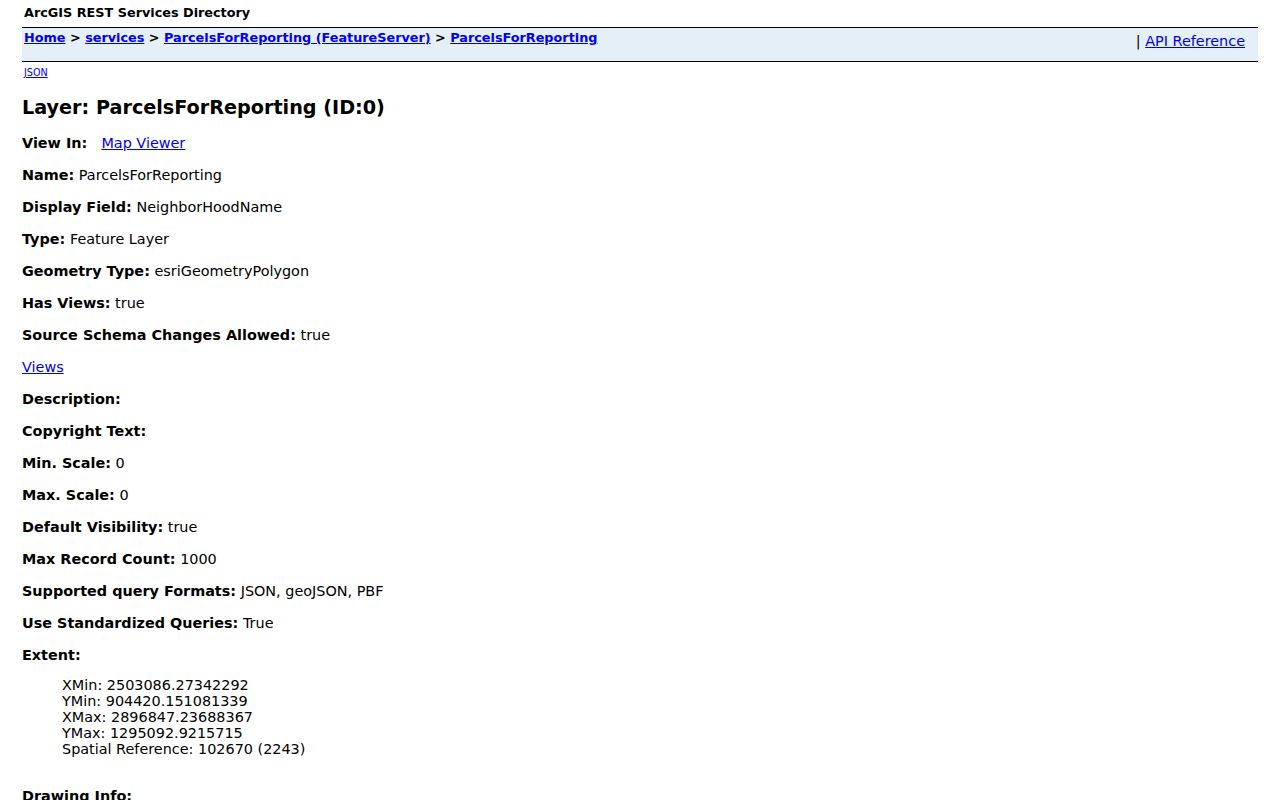
The schema separates owners from sales, taxes, and addresses, keeping each display field distinct.
Recent-sale gap. The roll can lag a newly recorded transfer. The newest matching deed is the stronger current-owner check.
Separate Owner, Occupant, and Contact Roles
A parcel's situs identifies the land. Its mailing field routes notices. Its owner fields name the assessment-roll owner. A permit applicant may be a contractor, and an LLC registered agent is a business contact rather than an owner. None of those roles replaces the named grantee in the latest deed.
The distinction matters for second homes and recreational property around McCall and Lake Cascade, where the mailing destination often sits outside Valley County. Do not infer occupancy from a tax-mail address. Nor does a postal city by itself establish municipal jurisdiction.
Confirm the Current Valley County Owner
Use a two-record test. The assessor names the present roll owner and parcel, while the Recorder shows the most recent conveyance affecting that same legal description.
- Find the address in the Assessor Map and save the exact parcel number and legal description.
- Copy
OwnerName1andOwnerName2, the visible tax year, and the access date. - Search the likely grantee in the Valley County Tyler index.
- Compare the newest instrument's parties and land description with the selected parcel.
- Owner of record
- The party named in the relevant official owner record.
- Assessment roll
- The assessor's annual property inventory used for valuation and taxation.
- Situs
- The property location, not the owner's mailing address.
- Recording lag
- The interval before a new deed is reflected in another office's system.
Verify an LLC, Trust, or Estate Name Without Guessing
An entity in the owner field changes the search. Search that exact legal name, plus variants, in the Recorder index. Idaho SOSBiz business resources may identify an LLC's registered agent. The agent is not automatically the property owner. Trust beneficiaries may not appear in the public assessment field. Estate conveyances may name a personal representative or trustee. The recorded instrument shows the signer's capacity.
When probate or a court order forms part of the transfer, the Idaho iCourt Portal can supply a case lead, though the court clerk holds the actual county case file.
Match the Current Owner to the Correct Parcel
Common names and adjoining parcels invite false matches. Compare the parcel number, acreage, subdivision and phase, lot and block, and the section-township-range description. Parent-parcel details help too. The county publishes subdivision records with book, page, instrument number, and plat-link fields in its plat layer.
A split or merge can change the identifier. Use the 2025-2026 change layers to connect parent and child parcels before crediting an owner field to the desired land.
Note: Valley County does not publish an official decoding legend for the observed RP-format parcel identifier.
Create a Dated Current-Owner Evidence Log
A reproducible check leaves a trail. Record the search source, exact query, parcel number, owner fields, visible tax year, access date, and the newest Recorder instrument checked. Save the legal description and document reference. A screen image alone is not enough. Those notes make a later roll refresh or parcel change understandable.
For an ambiguous parcel, submit the Assessor records request or contact the Clerk, Auditor & Recorder at 219 N Main Street, Cascade, at (208) 382-7100 option 2. Ask for a narrow record and a fee estimate.
Use Valley County Owner Information Lawfully
Public owner fields answer legitimate property questions. Due diligence, easements, estate work, and notices all qualify. Idaho Code §74-120 restricts certain list uses. The Idaho Address Confidentiality Program shields qualifying survivors behind a substitute mailing address and confidential records. Never try to reverse that protection by merging parcel, voter, or other personal datasets.
Lawful use. Contact information must not be used to stalk, harass, intimidate, or expose a protected person's actual location.
Know When a Current Owner Search Is Not Enough
An assessor name and a recent deed still leave questions open. Unrecorded claims can lurk. So can lien priority, boundary conflicts, probate complications, and the legal effect of an instrument. Those may need certified documents and an attorney. The Recorder's own online disclaimer calls its catalogue a guide. It describes the underlying records, not the record itself.
For instrument retrieval, use the Valley County deed records guide. Starting with only an address? Turn to the owner-finding route instead. Keeping those tasks distinct helps. It prevents an assessment field from standing in as a legal title opinion.
Escalate an Unclear Current Owner Record
If the owner of record looks stale, blank, or ambiguous, take the question to the right office. The Assessor maintains the tax roll field. The Recorder holds the latest recorded deed. Neither office will interpret the other's records for you, so ask each about its own. Estate transfers and court-ordered changes add another layer. Keep the iCourt case number handy and ask to see the actual county file. When a parcel was split, cite both the parent parcel number and the current one. That way nothing gets matched to the wrong land.
Whatever you request, frame it narrowly. Give the address, parcel number, legal description, and the approximate recording date. Say what electronic format you want. Ask who the custodian is and what the fee will run. Then file the response with your dated log of owner evidence. A paper trail settles disputes faster than memory.